
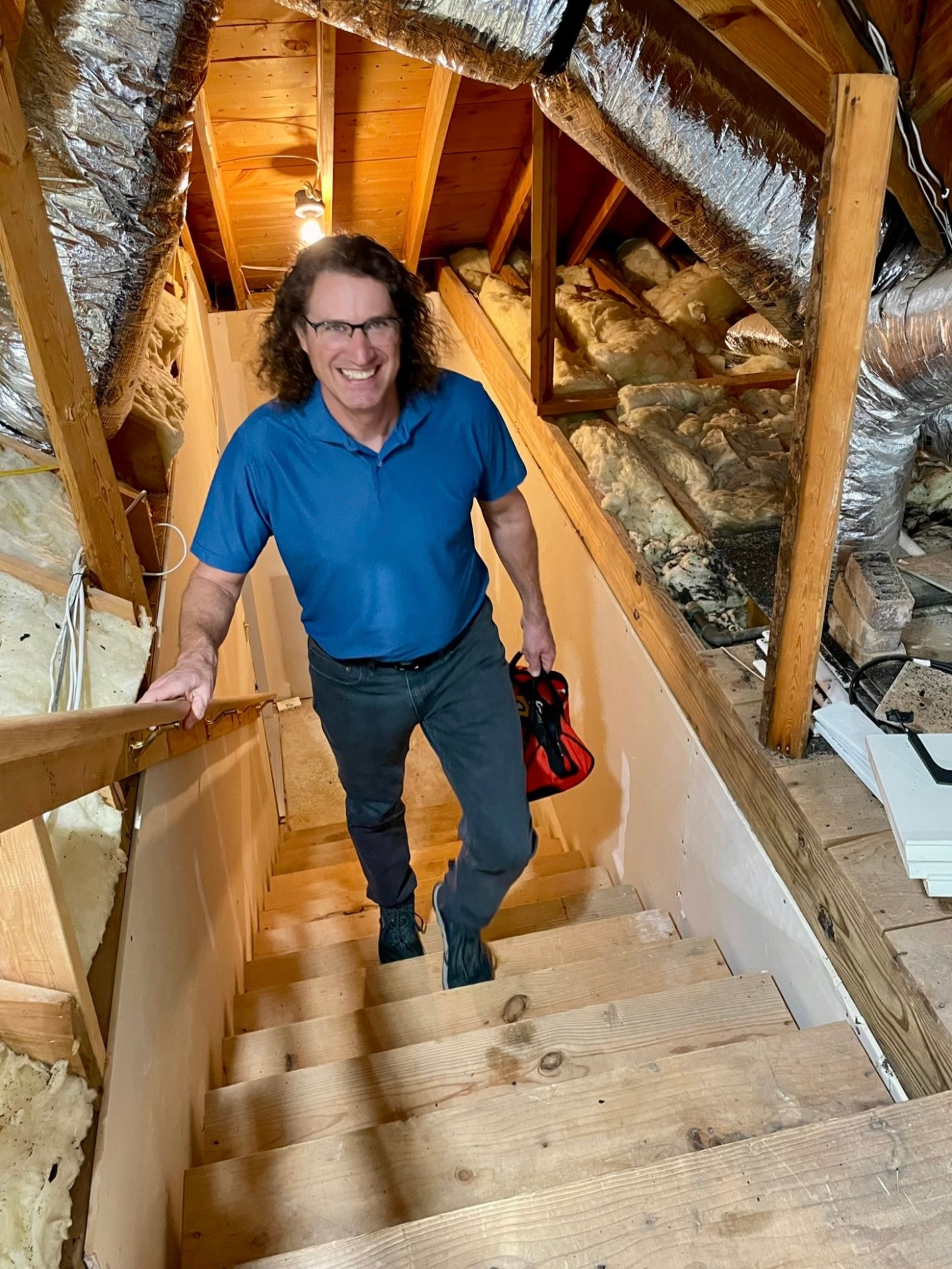
A large financial investment is necessary to buy a home, despite the fact that it is undoubtedly a fantastic experience. Even while it’s exciting to look at potential new homes and envision your future there, you should pay attention to a professional home inspection. Despite the temptation to overlook or expedite this part of the process, thorough local home inspections are without a doubt the most prudent choice you can make before committing.
So what does a home inspector actually do? They provide a visual assessment of the main systems and the structural integrity of the property as an unbiased, knowledgeable observer. This thorough assessment of the state of the home is more than just a pass/fail assignment. Their service is based on a comprehensive inspection report that finds anything from little irritations to potentially expensive problems. Make use of this report as a roadmap for future repairs and as a potent negotiating tool.
However, local knowledge is often the real advantage. Comparing the level of expertise offered by an inspector who is acquainted with your neighborhood and the typical properties found there is challenging. They are aware of geographical quirks, such as the average lifespan of HVAC systems in the area or foundation problems caused by soil or weather. Because of their local perspective, they can spot small warning flags that a less experienced inspector would overlook.
The price of a home inspection is a typical topic of discussion among prospective buyers. Usually, it falls between a few hundred and five hundred dollars. When you consider the potential for unanticipated repairs, such a leaky roof, old electrical systems, or an unsteady foundation, the inspection fee is a comparatively small price to pay for peace of mind. A potentially small amount of money could be saved by making this risky investment.
The main objective of the inspection is to lower risk. It transforms your perspective from that of an emotionally driven consumer to that of an informed one. The report’s conclusions suggest that you can either move forward with confidence, request repairs or a price reduction from the seller, back out of a potentially costly investment, or just set aside funds for future improvements. You’ll know exactly what you’re getting.
Locating a qualified inspector is simple. Check their credentials and make sure they have liability insurance. Request sample reports to see how quickly they can deliver the results—ideally within a day. Don’t just go with the most cost-effective option; a comprehensive inspection is a small price to pay to protect an investment that might be worth hundreds of thousands.
Don’t try to figure this out on your own. Usually, trustworthy, knowledgeable local inspectors are suggested by your real estate agent. Before making the largest purchase you will most likely ever make, make sure the property has been professionally assessed. In addition to assessing the property, local home inspections can protect your investment and long-term health.