
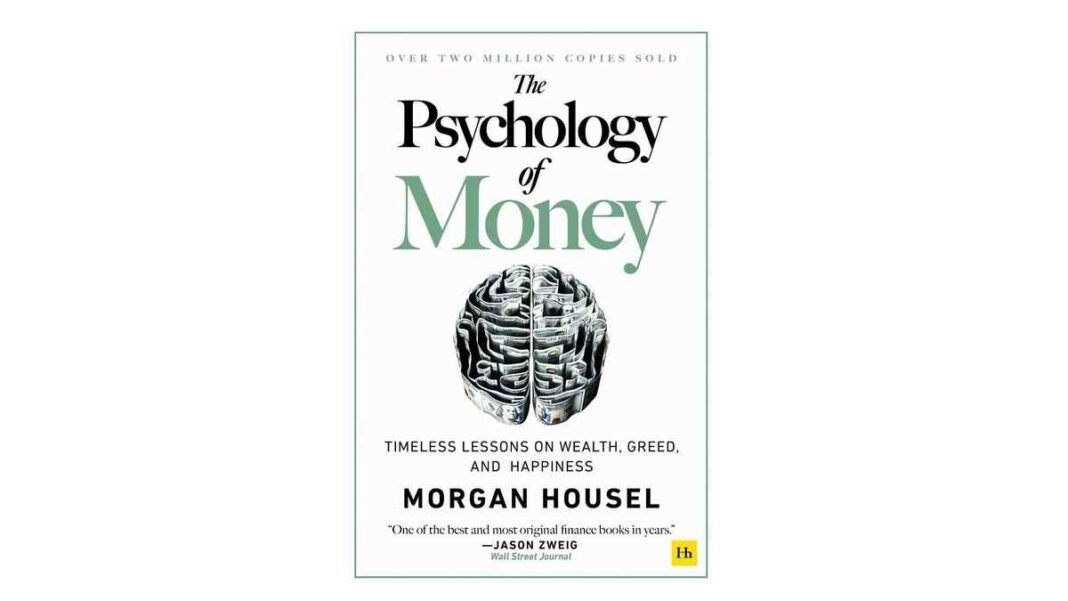
People too often view money as a way to measure success, with their financial aspirations focused on earning a higher income, building larger investment portfolios, and accumulating higher bank balances. Morgan Housel takes aim at that conventional wisdom in The Art of Spending Money, a book about how individuals approach money and why more does not necessarily translate into more happiness.
After The Psychology of Money, Housel switches his focus from how, people, make, and handle their wealth to how they spend it. The premise of the book is that being rich is not determined by how much money you have rather by whether your money is helping you lead the life you want. The book was released in October 2025 by Harriman House.
Spending money sounds simple. Get paid, pay the bills and buy yourself a treat with what’s left. But what actually dictates how and where we spend, is a combination of emotion, previous experience, social influences and our unique view of success.
Housel looks at how people often purchase objects for reasons unrelated to their usefulness. While a luxury car, a high-end watch, or a spacious house might bring some joy, a purchase can also be used to gain admiration or prestige. If consumption is driven by relative standings, the fulfillment might only last for a moment.
Books like this one challenge us to ask ourselves why we are about to buy something. It’s not about not buying anything expensive or being perfectly minimalist; it’s about being aware of what is actually adding value to your life and being aware of what is simply there because you feel you have to buy it.
The core throughout Housel’s writing is that happiness is personal. What seems like freedom and fulfillment to one person may not be meaningful to the next. Perhaps one person wants to explore the world, while another gains more fulfillment from a cozy house, time with loved ones or the ability to work less.
This view counters the idea that there is one correct way to spend money. While personal finance advice may lean toward strict rules, Housel points out that it is much more about personal priorities.
Having money increases the quality of life when it creates flexibility and saves us from the stress of feeling that we are overspending or missing out. It can also fund experiences and relationships that last for years after the moment of purchase. The key is spending for ourselves and not spending for others.
While climbing the social ladder can be great for your status and outlook, it can make it hard to enjoy money. Money buys comfort and as income rises, so do your standards. That decent raise you got last year might be your new norm, and the added lifestyle costs may not make you any happier.
The more general philosophy of Housel’s work is that this cycle should be questioned. Constantly buying more of what you already have, or trying to keep up with the Joneses, leads to a ‘never enough’ mentality.