
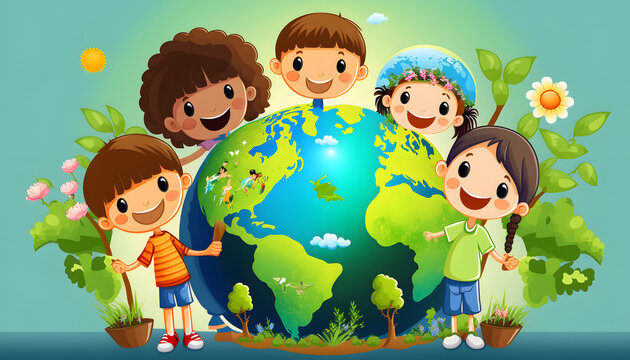
With the world growing interdependently, organizations are more vital than ever for international solidarity and inspiring learners of all ages to positively contribute to their local and global communities. But what precisely does global citizenship entail, why does it matter today, and how are organizations helping make it possible?
You might think of the ‘normal citizenship’ while talking about global citizenship. However, these two vary in a few ways. Unlike citizenship, the global citizenship concept is based on the idea that we are connected not just with one country but with a broader global community.
So, when you positively contribute to it, you can also influence change on regional, national, and local levels. It is worth mentioning that global citizens don’t have a special passport of official title, nor do they need to travel to other countries or speak different languages to become one.
Actually, it revolves around the mindset and actual action that a person takes daily. In fact, a global citizen understand how the world works, values differences in people, and works with others to find viable solutions to challenges too big for any one nation. In short, citizenship and global citizenship never exclude each other.
Thanks to the immense transformation the world has gone through in the last couple of years, how we teach and learn needs to change. Different organizations such as UNESCO now help promote global citizenship education to ensure learners understand the world around them and work together to solve the big issue that affects everyone, regardless of whether they come from.
In most instances, global citizenship entails adjusting curricula and content of the lessons to offer knowledge about the world and the interconnected nature of contemporary challenges and threats. Among other things, a deep understanding of human rights, geography, the environment, systems of inequalities, and historical events that underpinned current developments is essential.
Of course, there is a lot more you should know about global citizenship than what is merely included in this quick guide. That’s why a bit of research is essential before making this all-important decision.